Information signs confirm where you are and what the road is doing. On the theory test they usually appear as a question about entering or leaving a motorway, or about tolls.
All 14 information and motorway signs

100 metres to the next exit
The countdown marker nearest the exit. Each bar represents roughly 100 metres.
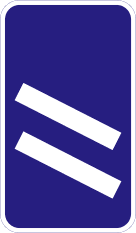
200 metres to the next exit
The middle countdown marker before a motorway exit.

300 metres to the next exit
The first countdown marker before a motorway exit.
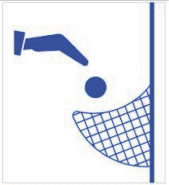
Coin basket toll
An automatic toll lane where you drop the exact coins into a basket.
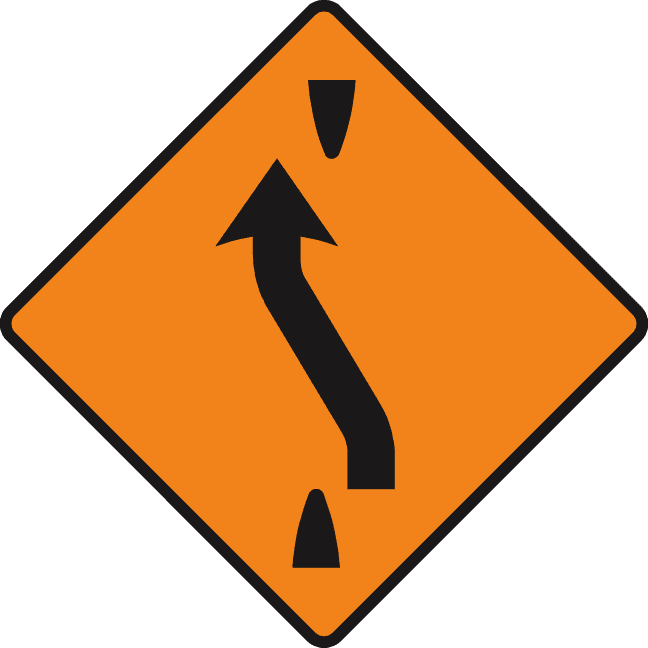
Cross back to the left-hand lane ahead
The lane you are in ends or rejoins, so move back to the left-hand lane ahead.
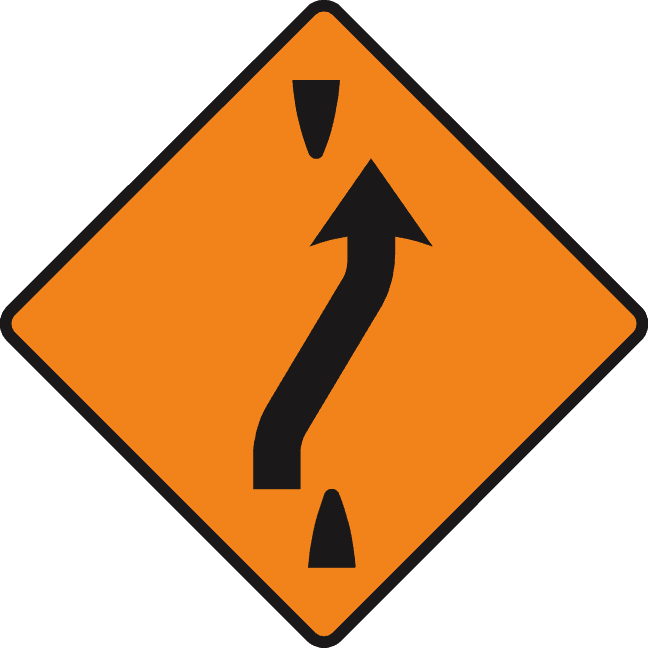
Cross out to the right-hand lane ahead
Move out to the right-hand lane ahead, typically where the left lane is closed or becomes a turning lane.
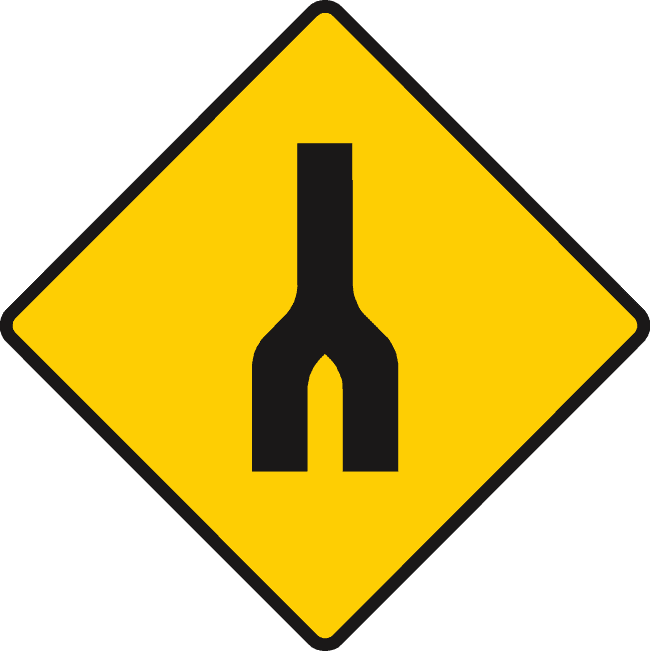
Dual carriageway ends
The road becomes two-way with no central reserve. Oncoming traffic will now be beside you rather than separated.

Electronic toll
This lane reads a tag automatically. There is no barrier and no attendant to pay.
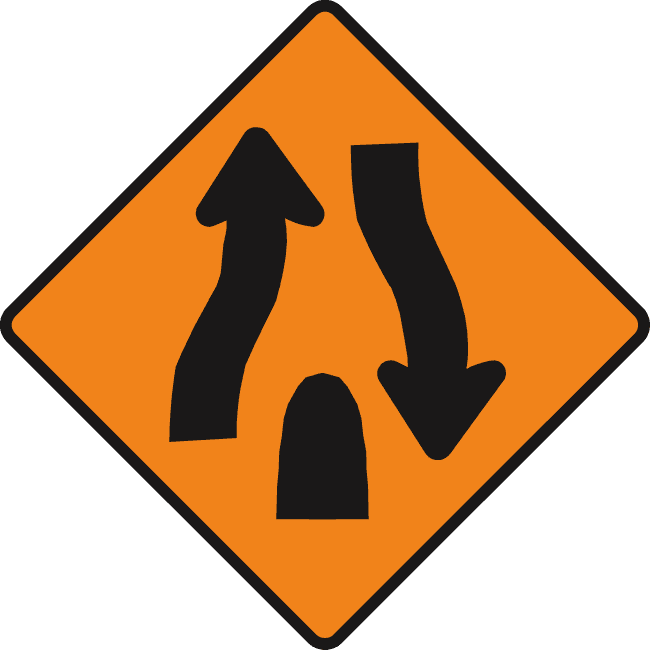
End of central reserve
The dividing obstruction ends and the carriageways come back together.
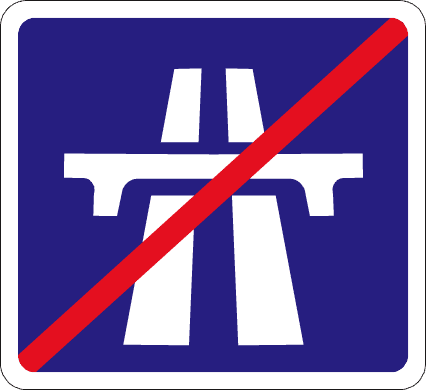
End of motorway
Motorway rules no longer apply. Expect junctions, slower traffic and a different speed limit.
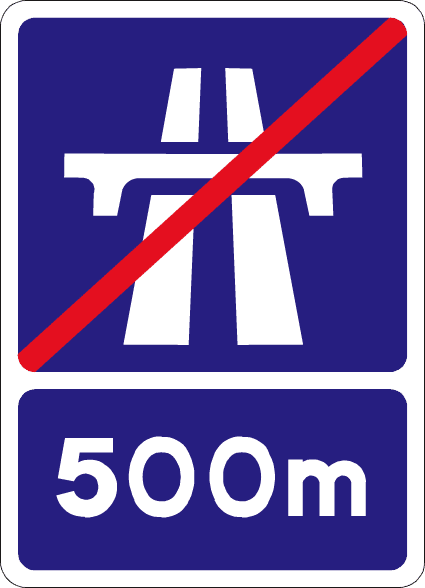
Motorway ends in 500 metres
Advance notice that motorway rules are about to stop applying.
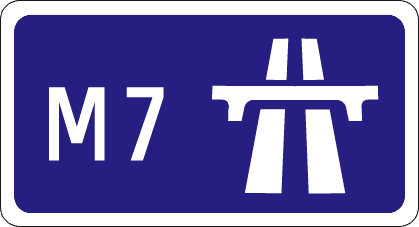
Motorway entry
The motorway begins here. Learner permit holders, pedestrians, cyclists and slow vehicles are all prohibited beyond this point.
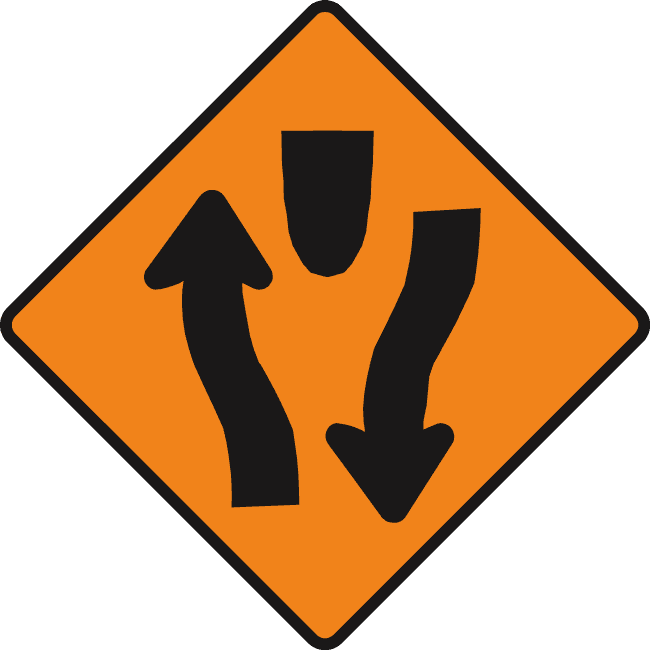
Start of central reserve
A central reserve or obstruction begins ahead, dividing the carriageways.
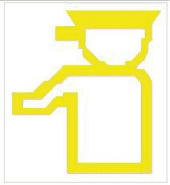
Toll collector
A staffed toll booth where you pay an attendant.
Other categories
- Regulatory signs (29)
- Warning signs (56)
- Road markings (14)
- Hand signals and traffic signals (21)
- Back to all road signs
Test yourself on these
Recognising a sign in a list is easier than recognising it at a junction. The quiz opens on information and motorway signs, shows you each sign, and explains every one you miss.
Then run practice questions to see them in context, or sit a mock test under exam conditions.